
Blog · Yard Health
Why we disinfect yards — and what every Atlanta dog owner should know about parvo
June 2026 · 6 min read
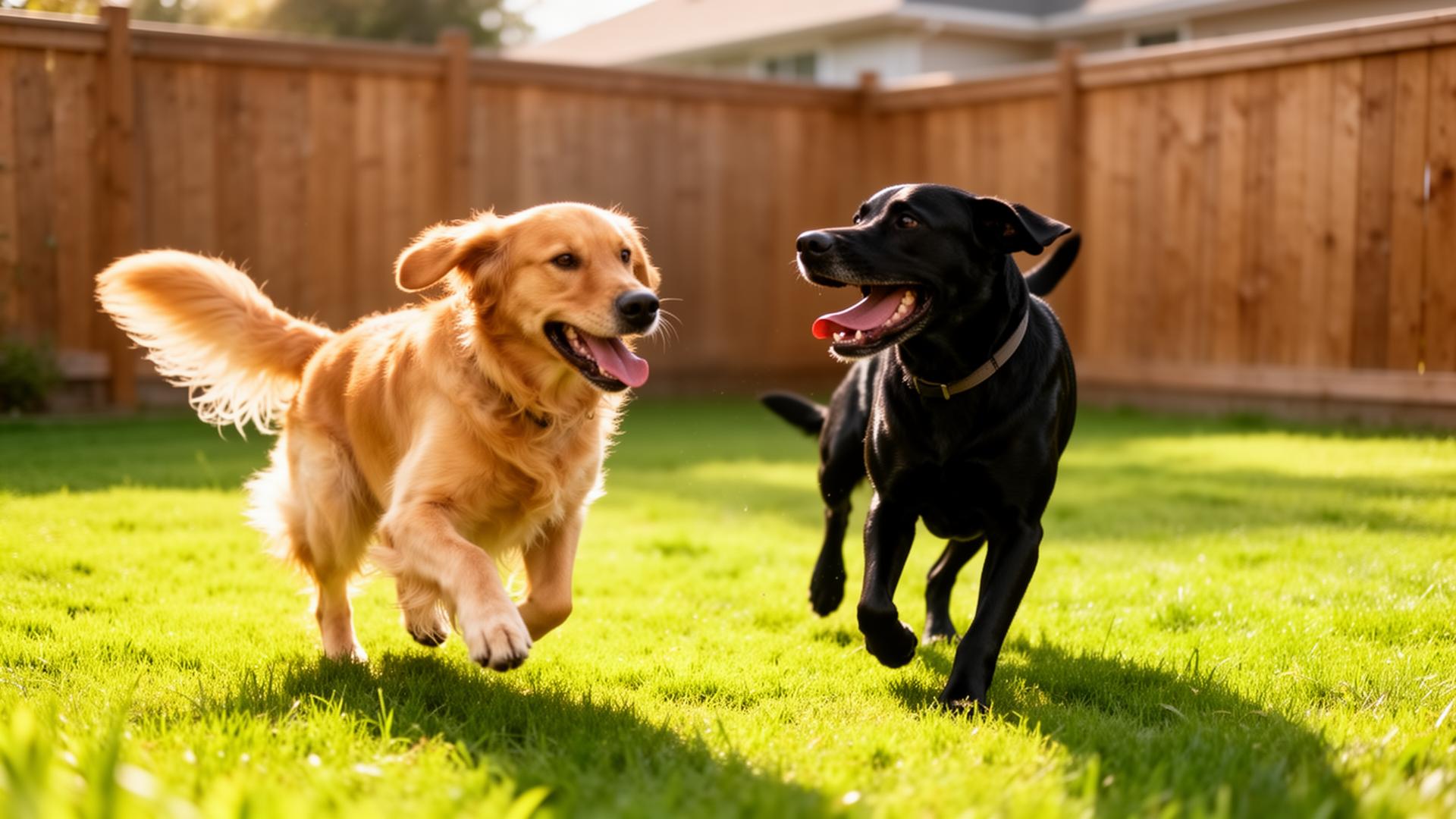
I'll be honest — most people don't think about parvo until it's already a problem. A new puppy comes home, or a neighbor's dog gets sick, and suddenly everyone's googling at midnight. So I wanted to put down, in plain language, what we actually see on the job and why we offer a sanitizing add-on at all.
First, the unfun part: what parvo actually is
Canine parvovirus is rough. It mostly hits puppies and dogs that aren't fully vaccinated, and it spreads through infected feces. The catch — and the reason this matters for yard work — is that the virus is unusually hardy. Most household disinfectants don't touch it, and it can stay alive in soil and on surfaces for months, sometimes more than a year in shady, cool spots.
That means a yard where a sick dog visited last fall can still be a risk this spring, even after rain, even after you've picked everything up. It's not common, but it's the kind of thing that's worth knowing if you're about to bring home a puppy that hasn't finished its shot series.
When we actually recommend disinfecting
Most of our weekly customers don't need it. A normal, healthy adult dog in a yard that gets regular cleanup is fine. The conversation changes in a few specific situations:
- You're bringing home a new puppy that isn't done with its vaccines.
- A previous owner's dog was sick, or you don't know the yard's history (new house, rental, foster home).
- Your dog just recovered from something contagious and you want to reset the space.
- You run a multi-dog household and one came back from boarding under the weather.
- You're a daycare, groomer, or property manager and the math on "one outbreak" is just not worth it.
What we use, and why
For the sanitizing add-on we use a Wysiwash system — basically a hose-end applicator that meters out calcium hypochlorite, the same family of disinfectant used in pool and drinking-water sanitation. It kills parvo, distemper, giardia, and the usual yard-funk culprits in about five minutes of contact time, and it breaks down quickly so it doesn't linger on the grass.
We do the scooping first — disinfectant doesn't do much if it's sitting on top of waste — and then walk the yard slowly so high-traffic spots (the path from the back door, the corner every dog uses, around water bowls) get an even pass. Dogs and kids stay inside while we work, and the yard's safe to use again once it dries, usually within an hour.
Stuff you can do yourself
You don't need us for the basics. A few things that genuinely help:
- Pick up waste fast. The longer it sits, the more it spreads — flies, runoff, your dog rolling in it on a Tuesday. Daily-ish is the sweet spot.
- Don't trust "vaccinated" until it's actually finished. Puppy shots run in a series and don't reach full coverage until around 16 weeks.
- Keep unvaccinated puppies off shared spaces — dog parks, pet store floors, apartment courtyards — until your vet clears them.
- If your dog gets sick: lethargy, vomiting, bloody diarrhea, no appetite. Don't wait. Call your vet the same day. Parvo is treatable when caught early.
- Bleach is the home option that actually kills parvo on hard surfaces (about a 1:30 dilution, 10-minute contact). It does not work on grass — it'll kill the lawn instead. That's part of why people call us.
The honest pitch
We're a small Atlanta crew. We're not going to sell you a sanitizing service you don't need, because we'd rather you stay a happy weekly customer for years than feel oversold once. But if you're in one of those specific situations above — new puppy, unknown yard history, recovering dog — it's a cheap insurance policy compared to a parvo hospitalization. Ask us about it when you book and we'll tell you straight whether it's worth doing or not.
Want us to take a look?
We'll come out, walk the yard, and tell you honestly whether a sanitizing pass makes sense for your situation. No pressure either way.
Get a free quoteThis post is general information from a yard service, not veterinary advice. If you think your dog might be sick, call your vet — that's the move every time.